Exploring America's Past at the National Ballpark Museum
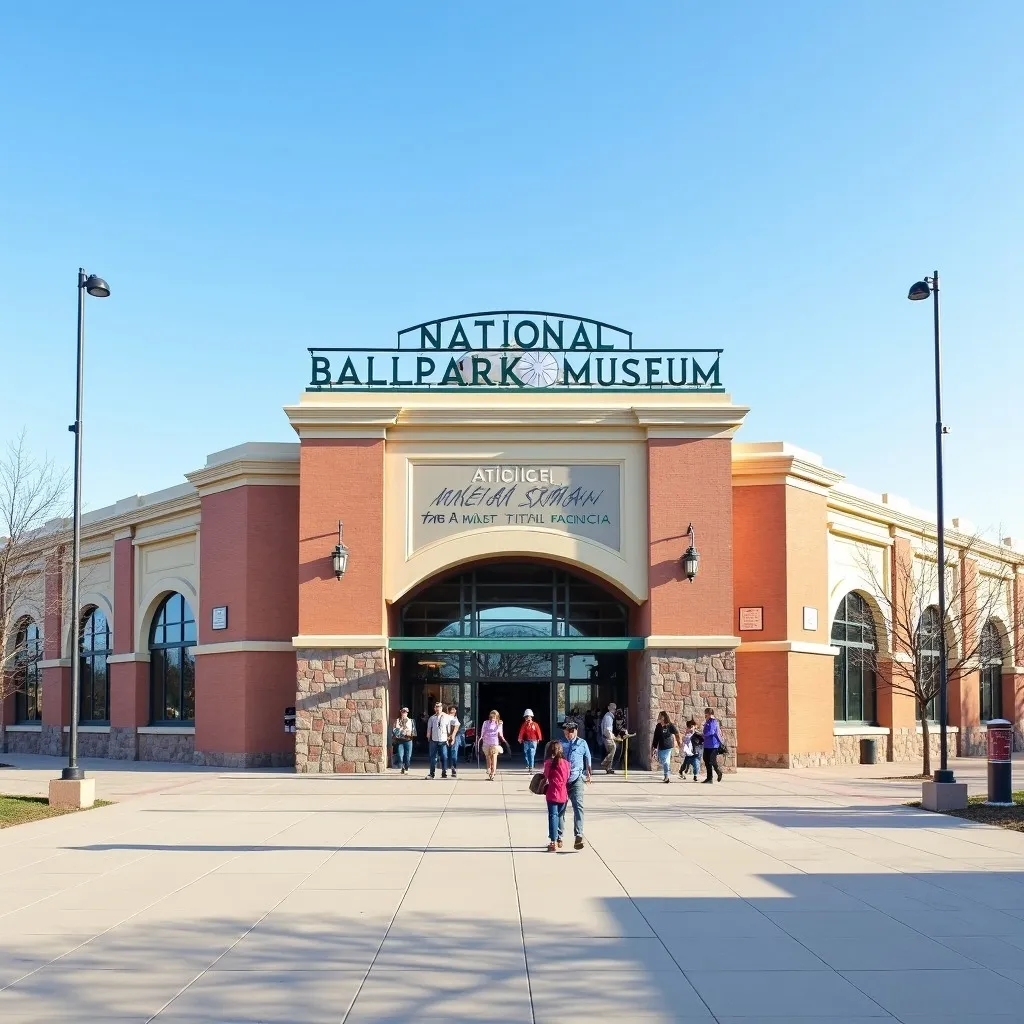
The National Ballpark Museum offers a unique view into America's baseball legacy. Through its assemblage of artifacts and exhibits, visitors can explore the sport's development alongside social changes. Iconic uniforms and rare photographs tell stories of icons and their influence on the game. As groups engage with hands-on displays, they uncover how baseball stays connected with American culture. What insights might this museum unveil about the future of the sport?
The Wealthy Past of Baseball in America
Baseball, widely recognized as America's cherished sport, has a colorful past that is integral to the cultural character of the nation. Materializing in the nineteenth century, the sport swiftly gained traction, illustrating the social movements and local identities of the moment. The development of established competitive organizations reshaped baseball into a mainstay of American entertainment, with the National League forming in 1876 and the American League following in 1901.
Major moments, such as the integration of baseball in 1947 with Jackie Robinson, represented considerable societal shifts, resisting conventional norms and promoting civil rights. The game has also experienced celebrated figures, from Babe Ruth to Hank Aaron, whose impacts reverberate beyond the diamond. Iconic ballparks have held countless unforgettable moments, creating a communal experience for fans. Overall, baseball functions as a mirror of American history, capturing triumphs, struggles, and the enduring spirit of a nation united by its passion for the game.
Legendary Baseball Artifacts You Can't Skip
While recollections of iconic matches and significant events remain in the minds of fans, notable baseball artifacts serves as physical links to the sport's rich heritage. The National Ballpark Museum contains an impressive collection, showcasing items that encapsulate the spirit of baseball's history. Visitors can marvel at vintage uniforms worn by Hall of Famers, each thread recounting a story of triumph and perseverance. Autographed baseballs, preserved in glass cases, provide glimpses into personal connections between players and fans, while scarce images immortalize crucial events in baseball history.
Among the standout features are championship rings, symbolizing the pinnacle of accomplishment, and classic game tickets that take guests back to unforgettable games. Each piece invites contemplation and appreciation for the sport's evolution. This carefully curated collection not only displays the sport's key moments but also evokes nostalgic emotions, reminding attendees of the lasting heritage of America's pastime.
Get to Know the Legends: How the Museum Recognizes Baseball Icons
The homage to baseball legends fills the atmosphere of the National Ballpark Museum, where guests are invited to explore the lives and achievements of the sport's most iconic figures. The museum features engaging exhibits that highlight the careers of baseball greats, providing artifacts, photographs, and interactive displays that animate their stories to life. Each section is meticulously curated to reflect the unique contributions of players such as Babe Ruth, Jackie Robinson, and Hank Aaron, showcasing their impact both on and off the field.
The museum also organizes special events and guest speakers, giving fans opportunities to listen to firsthand accounts and insights from former players and historians. This commitment to honoring baseball icons creates a deep connection between visitors and the legends who crafted the game. Through its immersive environment, the National Ballpark Museum promises that the legacy of these players motivates future generations of baseball enthusiasts.
Discover How Baseball Stadiums Have Changed
Throughout the decades, baseball's stadiums have metamorphosed significantly to fulfill the changing requirements of fans and players alike. Early ballparks were simple, equipped with wooden bleachers and minimal amenities, primarily constructed for the game itself. Nevertheless, as the sport achieved popularity, stadiums began to incorporate more features, like better seating, concessions, and restrooms, enhancing the overall experience.
The introduction of modern systems produced significant enhancements, including video screens and improved audio technology. From an architectural standpoint, stadiums evolved from the conventional, balanced designs to more customized, fan-focused arrangements, establishing immersive settings that demonstrate local essence. The surge of corporate partnerships also determined planning, with executive boxes and top-tier accommodations turning into the standard. Today, stadiums serve as versatile establishments, facilitating entertainment and exhibitions beyond baseball, highlighting their flexibility and social relevance in American life. This transformation represents not just a recreational activity, but a vibrant community landmark.
Family-Suitable-Pursuits at the National Ballpark Museum
The National Ballpark Museum introduces a range of family-friendly offerings that honor the rich history of baseball and its iconic stadiums. Families can enjoy interactive exhibits that urge children to engage with the sport's history through hands-on displays. A scavenger hunt throughout the museum drives young visitors to search artifacts and gain knowledge of iconic athletes and remarkable instances.
Furthermore, the museum hosts educational workshops where children can refine their baseball skills, learn the science of the game, and participate in storytelling sessions about famous teams and their achievements. Special events, such as family days, often present guest speakers from the baseball community, contributing a personal touch to the experience. With its dynamic atmosphere and diverse offerings, the National Ballpark Museum inspires a love for baseball, making it an ideal place for families looking to enjoy time together over America's favorite pastime.
Plan Your Visit to the National Ballpark Museum
Wondering about how to get the most from a tour to the National Ballpark Museum? Guests are advised to look at the museum's online platform for current hours and admission fees before planning their trip. Located in Denver, Colorado, the museum is easily accessible via public transportation and offers nearby parking options. It is advisable to dedicate at least two hours to tour the extensive exhibits, which display baseball history and memorabilia.
For those looking for a guided experience, the museum delivers knowledgeable tours that investigate further into the collections. Families can enjoy engaging exhibits, making it a unforgettable visit for all ages. Additionally, visitors should reflect on planning their visit time to coincide with exclusive occasions or changing displays for an better experience. Finally, the museum shop provides special mementos for fans to take home, ensuring that the visit creates a enduring memory.
Frequently Asked Questions
What Time Is the Museum Open?
The museum runs from 10 National Ballpark Museum parking AM to 5 PM, Tuesday through Sunday. It remains closed on Mondays, letting staff to maintain exhibits and set up for the next day's guests passionate to explore its offerings.
Is There an Admission Fee for the Museum?
The museum necessitates a conservative entrance charge for access. Patrons can discover a rich selection of historical exhibits and artifacts, enhancing their understanding of the sport's impact on American culture and history.
Can you join escorted tours at the Museum?
The museum offers guided visits that give visitors with a comprehensive exploration. Knowledgeable guides present perspectives and tales about the displays, enriching the understanding of baseball history and its cultural significance.
Is it Feasible to Acquire Souvenirs at the Museum?
Souvenirs are available for purchase at the museum. Visitors can discover a variety of memorabilia, including clothing, treasures, and themed items, allowing them to take home a piece of the memory from their visit.
Are Museum Facilities Mobility Device Accessible?
The museum offers accessible facilities for wheelchairs, making sure that all visitors can move through its exhibits without difficulty. Ramps and marked walkways are in place, promoting equal access and permitting everyone to experience the rich history on display within its interior.